Meeting Your Child Where Their Brain Actually Is
Your child melts down.
They shut down.
They explode over something that seems small.
And your first thought might be,
Why are they acting like this?
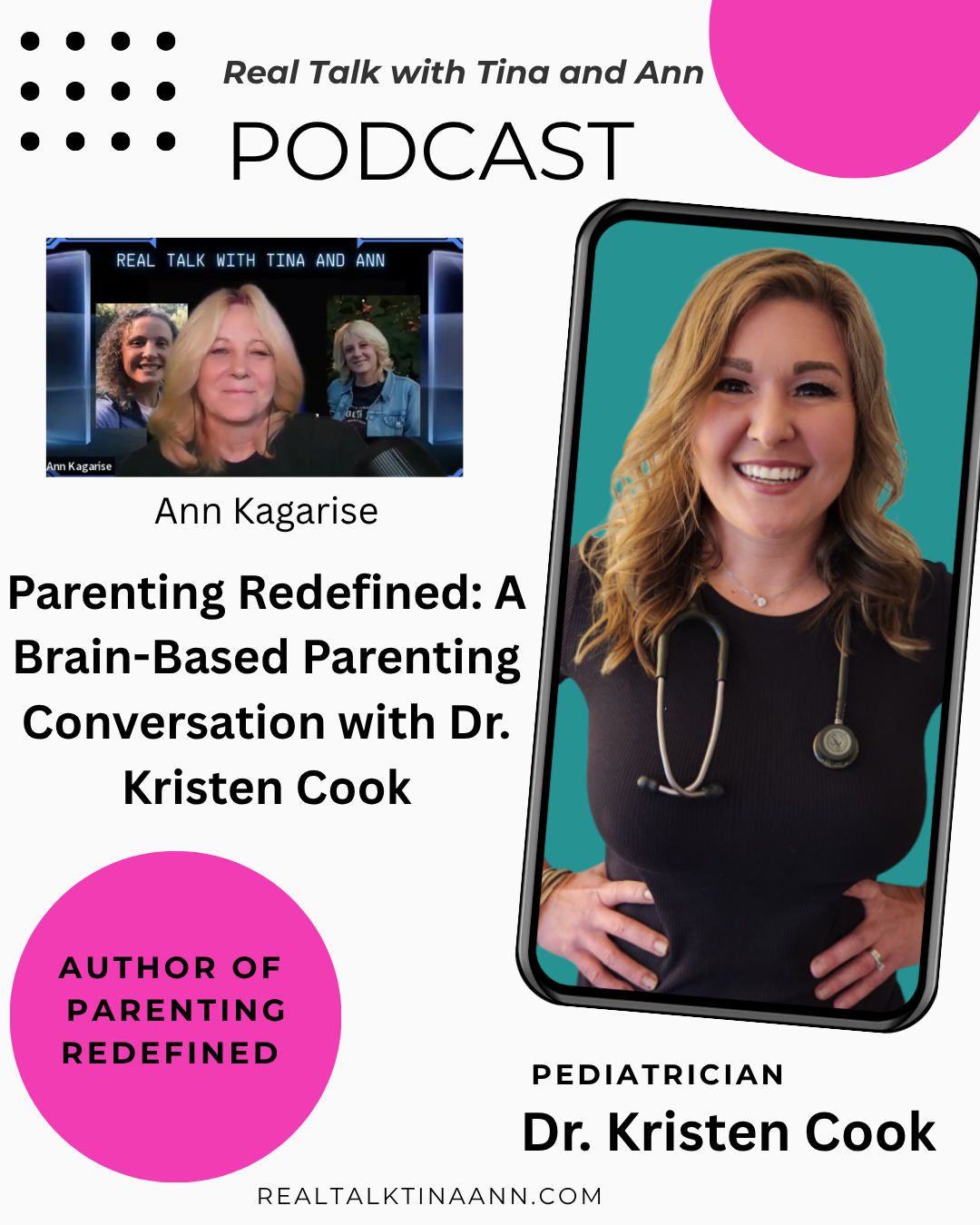
That’s where this conversation with Dr. Kristen Cook changed something for me.
Because what if the question isn’t,
“What’s wrong with this behavior?”
What if the question is,
“Where is my child developmentally right now… and what is their brain capable of in this moment?”
The Truth About the Brain
We expect kids to:
- think logically
- control their impulses
- regulate their emotions
- make good decisions
But here’s the reality:
They often can’t.
Not because they won’t.
Because their brain isn’t there yet.
And even more than that…
When a child is overwhelmed, stressed, or dysregulated, the part of their brain responsible for:
- reasoning
- planning
- self-control
goes offline.
So when we’re trying to “talk them through it” in the middle of a meltdown…
we’re asking a brain to do something it literally cannot do in that moment.
Behavior Is Not the Problem
This was one of the biggest shifts for me.
Behavior is communication.
It’s a signal.
It’s the brain saying:
- I’m overwhelmed
- I can’t regulate
- I don’t know what to do with what I’m feeling
And instead of asking,
“How do I stop this?”
We start asking,
“What is their brain telling me right now?”
Developmental Age vs. Actual Age
One of the most important things we talked about is this:
A child’s chronological age and their developmental age are not always the same.
Especially for kids navigating:
- ADHD
- autism
- anxiety
- trauma
- FASD
They may be 10 years old…
but in certain moments, their brain may be functioning at 5.
And if we respond to them as if they are 10 in that moment…
we miss them.
Meeting Them Where They Are
This is the shift.
Not lowering expectations.
But adjusting our response to match what their brain can actually handle in that moment.
It looks like:
- less lecturing in the heat of the moment
- more regulation first, teaching later
- more curiosity, less control
Because a regulated brain can learn.
A dysregulated brain cannot.
The Moment That Matters Most
The hardest part of parenting isn’t teaching.
It’s pausing.
It’s recognizing:
- my child is overwhelmed
- their brain is not accessible right now
- and I need to meet them here, not pull them where I want them to be
That takes awareness.
That takes restraint.
And if I’m being honest…
that takes work on my own nervous system too.
This Changes Everything
When you start to see your child through a brain-based lens:
You stop taking behavior personally.
You stop assuming defiance.
You stop expecting skills that aren’t developed yet.
And instead…
You start supporting what’s actually happening.
Final Thought
This episode reminded me of something simple, but powerful:
Our kids are not behind.
They are developing.
And our role isn’t to force them forward.
It’s to meet them where they are…
and walk with them as they grow.
If you’re in a hard moment right now…
Pause.
Breathe.
And ask yourself:
What is my child’s brain capable of right now?
That question alone can change everything.
There is purpose in the pain…
and hope in the journey.

Growth at the Speed of Safety