Stigma

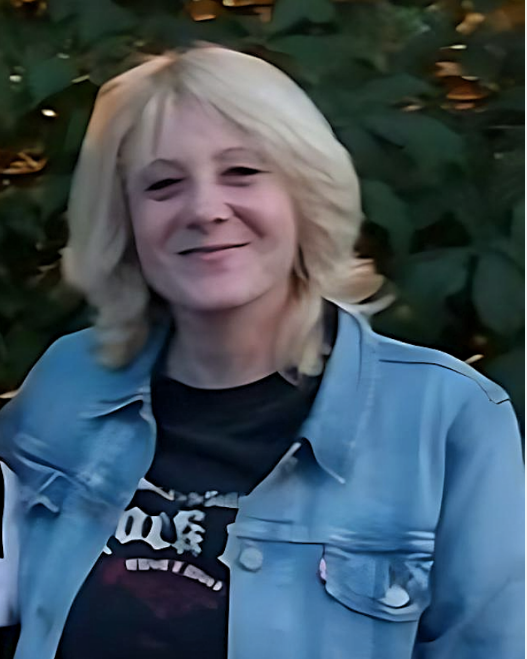
Writer/Podcaster
What do I say about myself? I love telling other people's stories, but hmmmm...Let me think.
When I think about my life, I have so many chapters. I am a very compartmentalized person.
I am first of all a mom of 5 kids. Yep...5!
I am a grandma to 5 beautiful children! All gingers lol.
I am a writer, author, podcaster, oh my gosh...I've been a journalist, columnist, hard news writer for print. I have actually won quite a few awards for my writing.
I am a photographer. I LOVE getting the money shot and capturing life! I do have a website called Spectrum Photography, but I have it offline more than on because I cannot figure out how to make the pictures work on Etsy lol. I'm not good at that kind of stuff.
I very much am an autistic individual, ADHD and dyslexic. Yep I got it all lol. I'm not that great a executive functioning, but I have many great ideas! I am trying to put things into fruition, but it just takes me longer and I probably make more mistakes, but I don' give up!!!
I have had many lives in the working world. I've worked in the jail system with helping women and talking with them, praying with them. I was the director of a battered woman's shelter/rape crisis center. I oversaw the crisis hotline at the center. I worked with abused boys. I was an Assistant Director at a school for kids with autism. I was a head swim coach for 12 years. Yep--former swimmer myself lol.
I was adopted. I've adopted 5 kids. And if you want to know the history of my crazy buffet of a family lol...I will tell you, but … Read More
My Children Don't Need Me to Give Up: They Need Me to Understand